Built the way
the brain works.
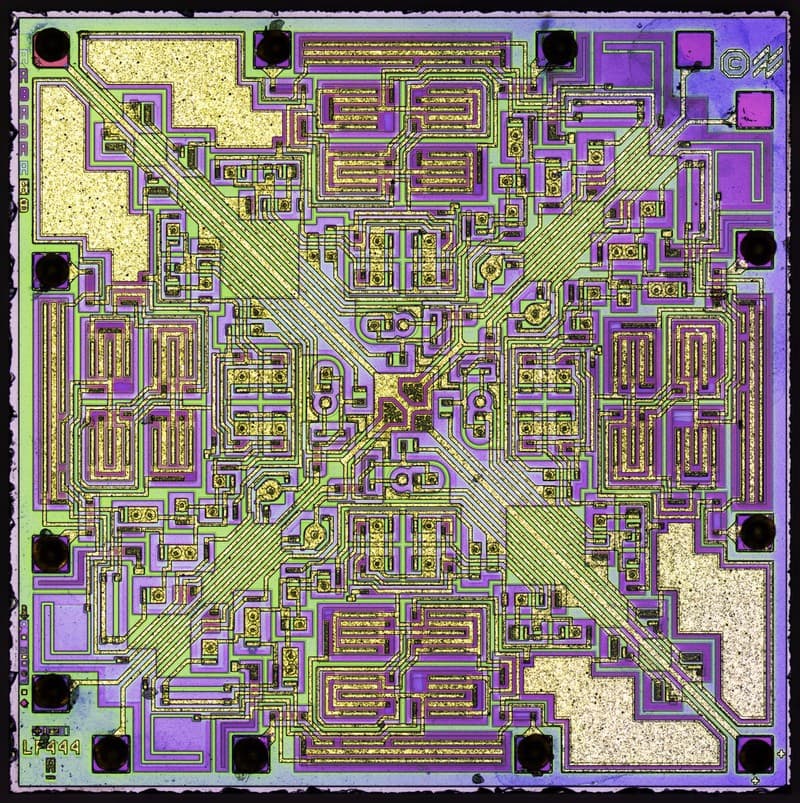
Not simulation. Not approximation. Physical circuits that encode the operational logic of neural tissue directly into silicon.
Fluorescence microscopy — mouse cortex
The architecture of substrate computing
Not simulation. Not approximation. Physical circuits that behave the way neurons do.
Spiking neural circuits
Our chips encode neural logic at the substrate level. Each circuit fires only when input exceeds threshold — exactly as biological neurons do. No clock. No polling. No wasted cycles.
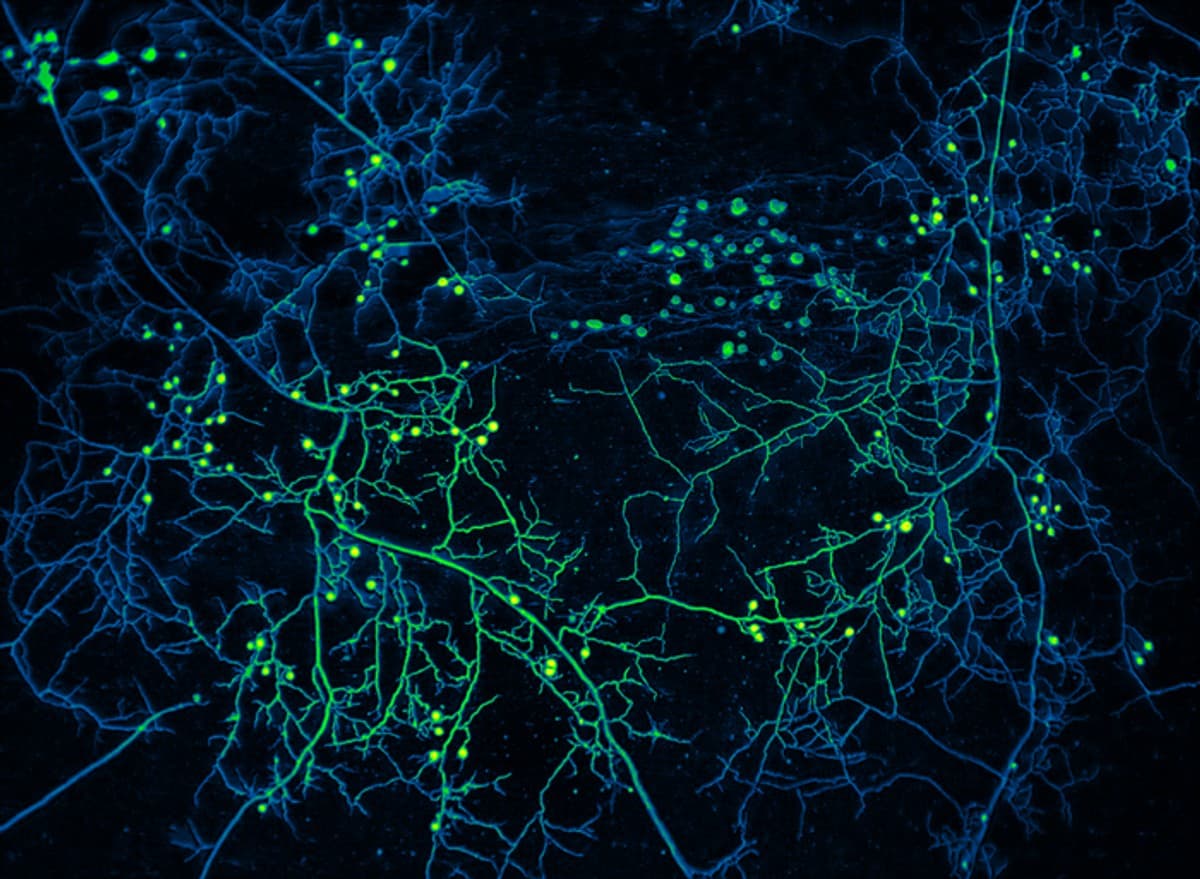
Event-driven by design
Power is consumed only when something changes. In sparse-signal environments, draw approaches zero. This is not an optimisation — it is the operating principle.
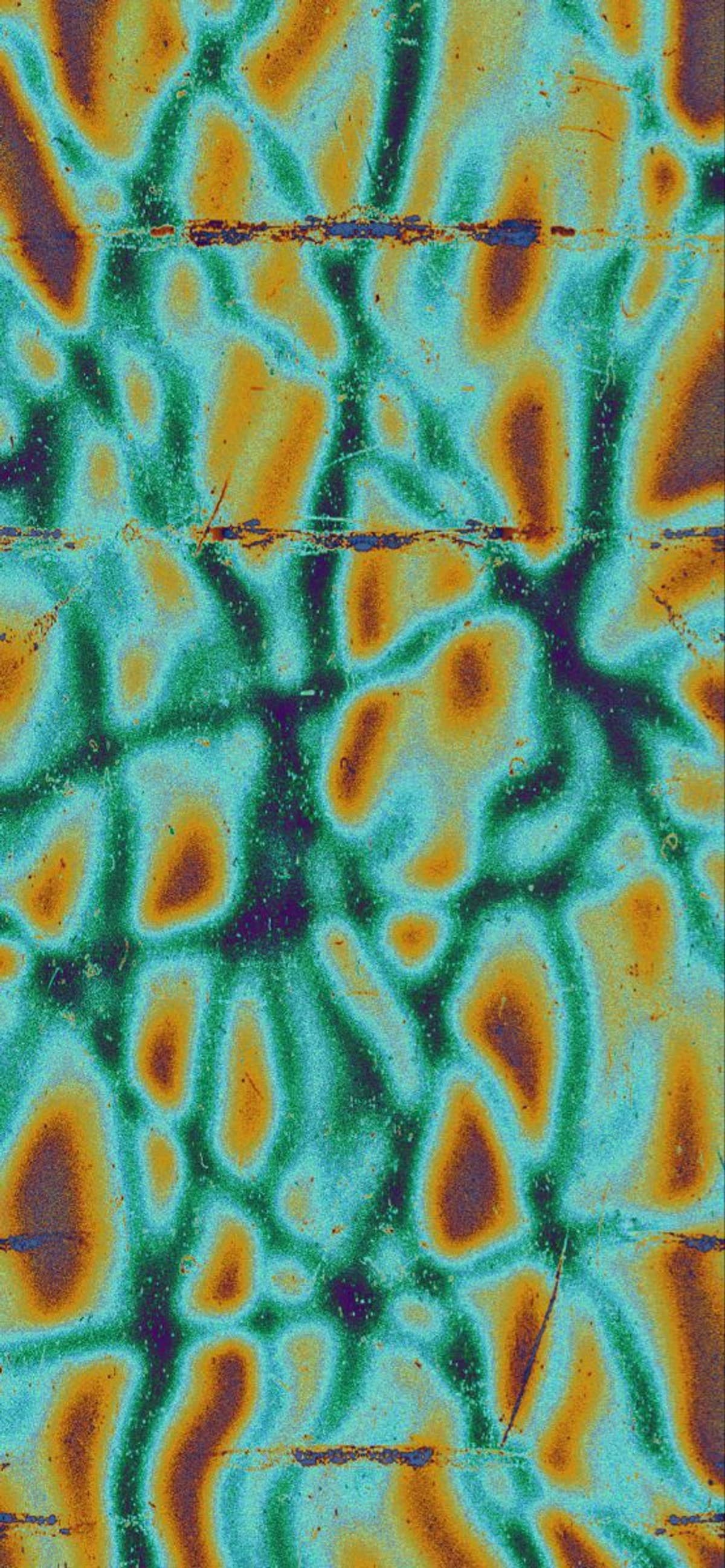
Local weight adaptation
On-chip learning without a training loop. Weights adapt locally in response to input — the same Hebbian principle that governs synaptic plasticity. No gradient. No server. No round-trip.
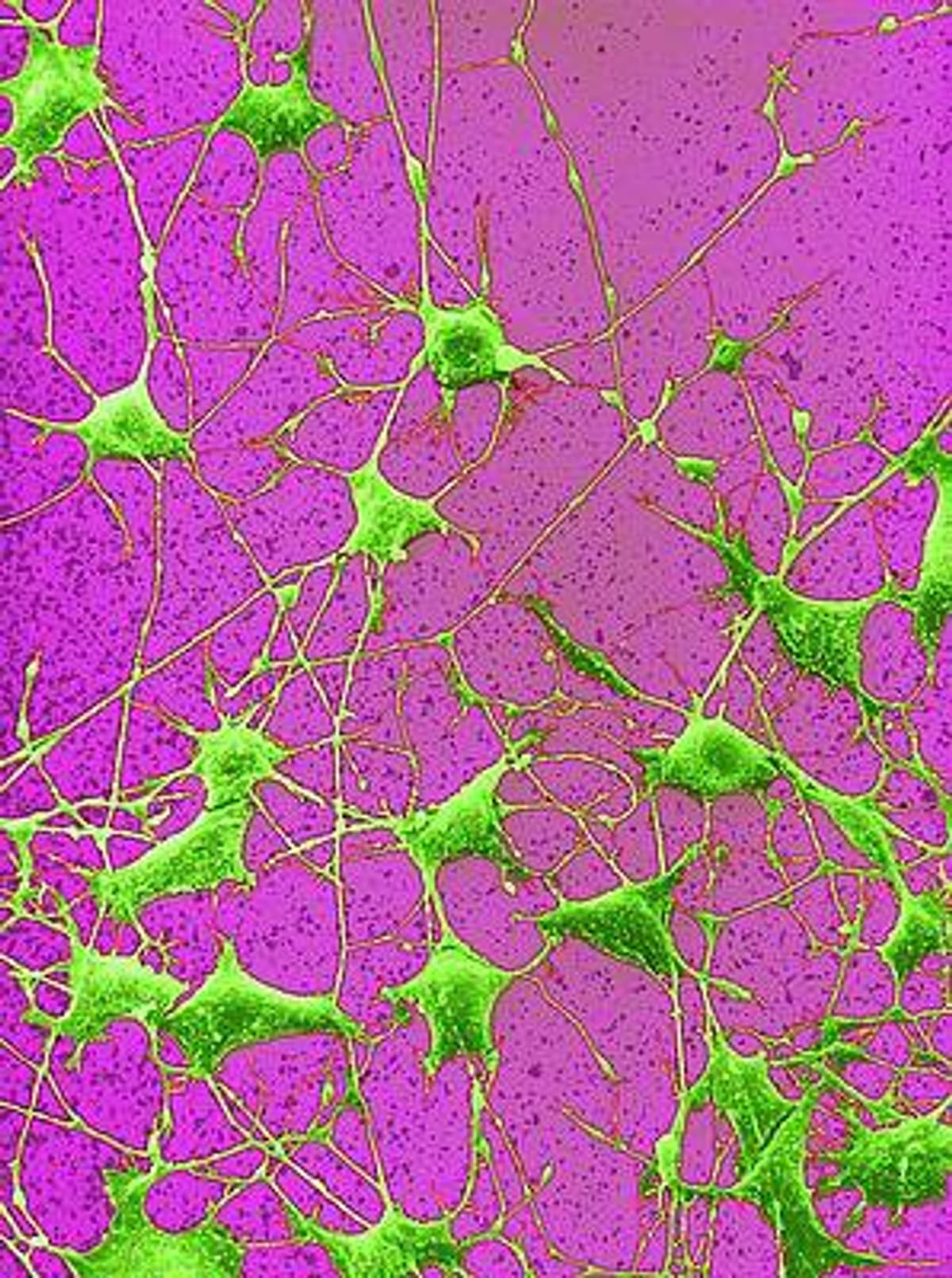
20 W. Full-network inference.
The human brain runs on 20 watts. Our chips match that envelope at cortical scale. The physics of sparse, asynchronous computation make it possible.
Every decade, we solve computation the same way. Not this one.
Be the first to know what comes next. We write when there is something worth reading. That is the only frequency we can promise.
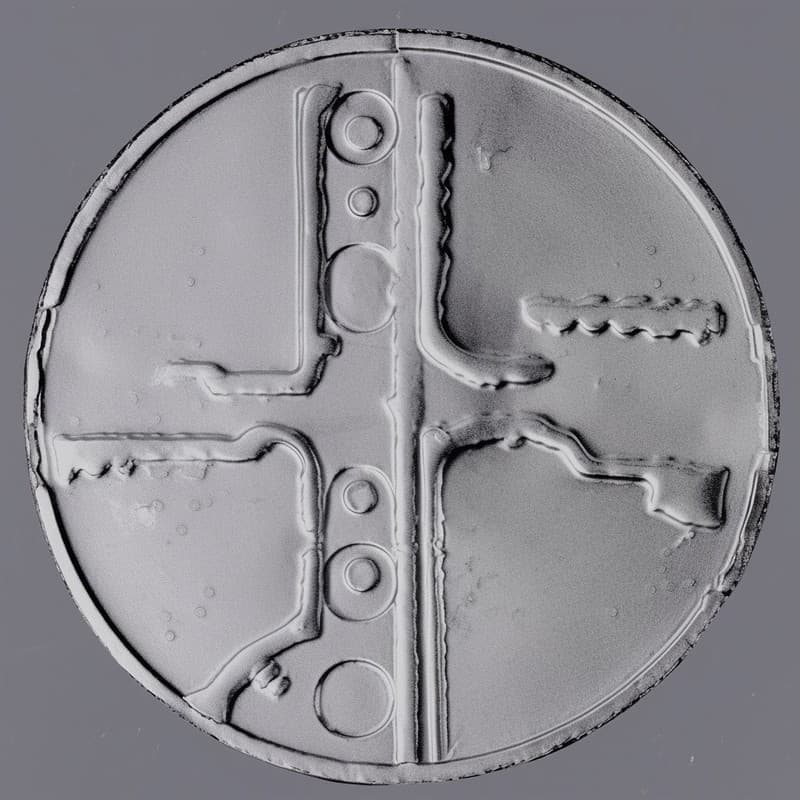

Substrate computing chips built the way the brain works. Stockholm, Sweden.
© 2026 NeuroShell AB